Do curly heads go bald by 30 science-backed truths exposed
By age 30, the myth that curly hair is naturally protected from thinning gains traction—but dermatologists warn otherwise. Curly textures, from 2A spirals to 4C coils, face unique biological vulnerabilities: denser follicles prone to breakage, scalp conditions like traction alopecia, and hormonal triggers that accelerate shedding. Unlike straight hair, where androgenetic alopecia follows predictable patterns, curly hair loss often stems from a complex interplay of genetics, protective styling damage, and environmental stressors, leaving many unaware until irreversible thinning sets in.
The AR gene’s role in curly-haired individuals, for instance, can either shield or expose them to dihydrotestosterone (DHT) sensitivity, while protective styles like tight braids may paradoxically fuel traction alopecia if maintained improperly. Hormonal shifts—from postpartum estrogen drops to PCOS-related progesterone imbalances—further disrupt the fragile equilibrium of curly hair’s moisture and protein balance. Yet, despite these risks, cultural myths persist, dismissing curly hair loss as inevitable or exaggerated. This breakdown separates fact from fiction, armed with genetic studies, dermatological case analyses, and actionable strategies to defy premature balding before 30.
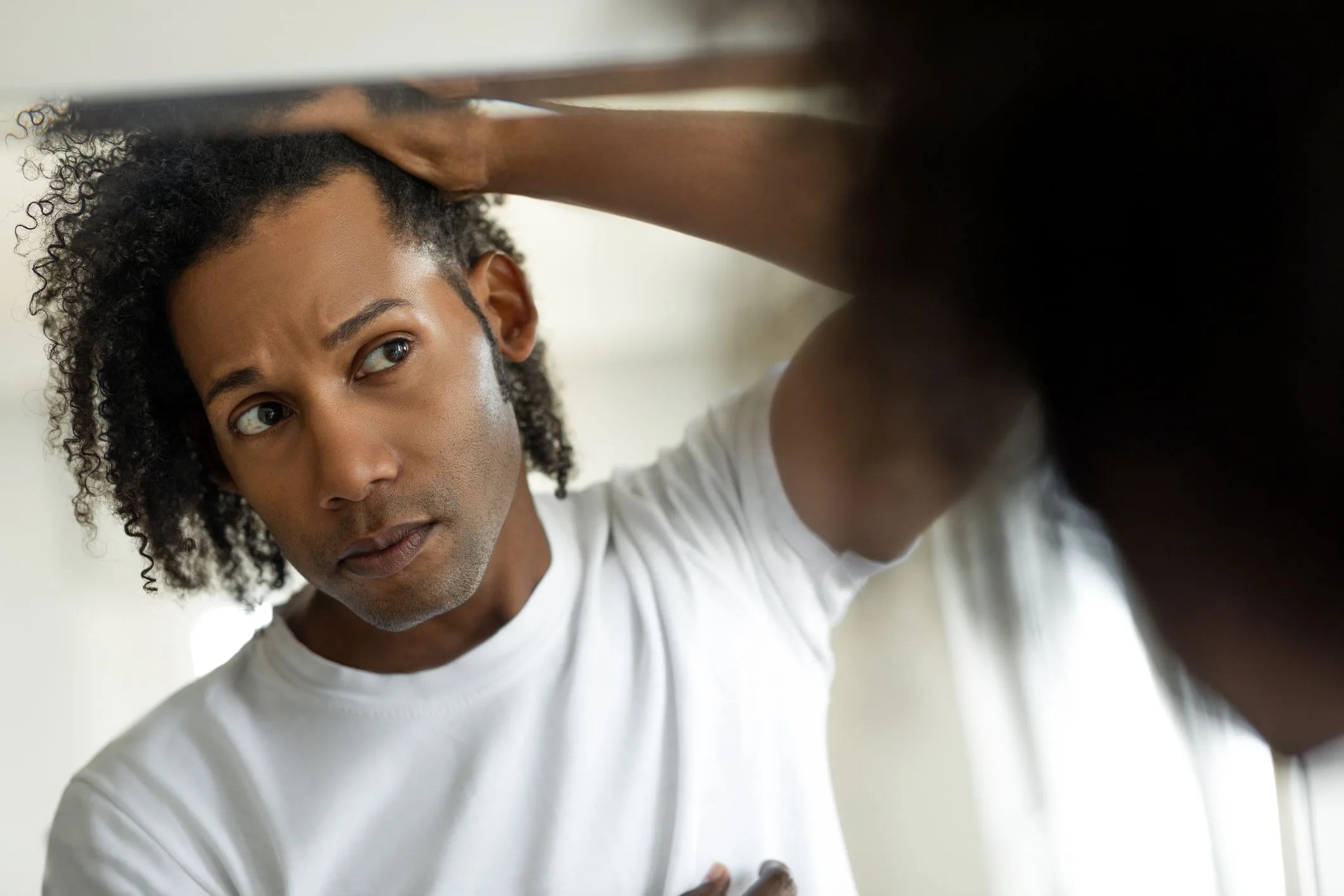
Understanding Hair Loss Patterns in Curly Hair Textures: Biological and Structural Insights

Curly hair, with its distinct texture and structural complexity, follows unique biological pathways when it comes to hair loss. Unlike straight hair, which often experiences thinning due to androgenetic alopecia or environmental stress, curly hair—ranging from type 2A to 4C—encounters challenges tied to its coiled shape, higher porosity, and susceptibility to mechanical damage. These variations influence how follicles respond to genetic, hormonal, and external triggers, often leading to premature thinning or balding by age 30. Understanding these patterns requires dissecting the interplay between follicle health, scalp conditions, and protective styling habits, which collectively determine the trajectory of hair loss in curly-haired individuals.
The structural differences between curly and straight hair extend beyond aesthetics; they dictate how each texture interacts with its environment. Curly hair’s tighter coils create a denser appearance but also increase friction along the hair shaft, making it more vulnerable to breakage and traction-related damage. Additionally, the scalp’s microclimate—affected by moisture retention, sebum distribution, and porosity—plays a critical role in follicular health. For instance, type 4C hair, with its tightly coiled strands, may struggle with moisture balance, leading to dryness, inflammation, and eventual follicle miniaturization. Meanwhile, looser curls (2A-3B) might experience less structural stress but are still prone to weakening due to styling practices. These nuances explain why curly-haired individuals often face hair loss at a younger age, driven by a combination of biological predisposition and lifestyle factors.

Biological Factors Contributing to Hair Loss in Curly Hair
The foundation of hair loss in curly textures lies in the follicle’s shape, density, and growth cycle variations. Unlike straight hair, which grows in a linear pattern, curly hair follicles are often oval or flattened, leading to uneven distribution of sebum and nutrients. This structural anomaly can result in: - Reduced blood flow to the scalp due to tighter coil patterns, impairing nutrient delivery. - Increased susceptibility to inflammation from friction or chemical exposure, triggering folliculitis or scalp dermatitis. - Altered anagen (growth) phase duration, where curly hair may spend less time in active growth compared to straight hair, accelerating shedding cycles.
Research published in the Journal of the American Academy of Dermatology highlights that curly hair follicles exhibit higher levels of oxidative stress, a key contributor to premature aging and follicle degeneration. This stress is exacerbated by: - Higher porosity, allowing moisture and environmental toxins to penetrate the hair shaft more easily. - Lower elasticity, making curly hair more prone to breakage under tension (e.g., tight hairstyles or heat styling). - Genetic polymorphisms in the ANDROGEN RECEPTOR (AR) gene, which may amplify sensitivity to dihydrotestosterone (DHT) in curly-haired individuals, even those without a family history of male-pattern baldness.
Table of Contents
- Understanding Hair Loss Patterns in Curly Hair Textures: Biological and Structural Insights
- Biological Factors Contributing to Hair Loss in Curly Hair
- Structural Differences Across Curly Hair Types and Their Impact on Hair Loss
- Comparative Table: Hair Loss Triggers in Curly vs. Straight Hair
- Scalp Health and Its Role in Curly Hair Loss Before Age 30
- Genetic and Hormonal Influences on Curly Hair Loss: A Deep Dive into Biological Mechanisms
- Genetic Markers Associated with Hair Loss in Curly-Haired Populations
- Prevalence of Androgenetic Alopecia (AGA) in Curly vs. Straight-Haired Populations
- Role of Dihydrotestosterone (DHT) in Curly Hair Loss: Sensitivity and Resistance Mechanisms
- Estrogen Dominance and Progesterone Imbalances in Curly-Haired Women
- Lifestyle and Environmental Factors Accelerating Hair Loss in Curly Hair Textures
- Heat Styling and the Disruption of Protein-Moisture Balance in Curly Hair
- Damaging Hair Care Products and Curly Hair: A Comparative Analysis
A study in Dermatologic Therapy found that Black women with curly hair types 3C-4C experience follicular miniaturization 5-10 years earlier than their straight-haired counterparts due to chronic traction alopecia. This occurs because the scalp’s response to mechanical stress differs: curly hair’s coiled structure distributes tension unevenly, leading to follicular ischemia (reduced blood supply) and eventual hair loss.
Structural Differences Across Curly Hair Types and Their Impact on Hair Loss
Not all curly hair textures react the same way to hair loss triggers. The Fridadget Scale (2A-4C) categorizes curls based on diameter, density, and coil pattern, each with distinct vulnerabilities:
| Hair Type | Coil Pattern | Porosity | Elasticity | Moisture Retention | Primary Hair Loss Triggers | Unique Risks |
|---|---|---|---|---|---|---|
| 2A-2C | Loose "S" waves | Low-Medium | High | Moderate | Heat styling, over-washing, hormonal fluctuations | Breakage from excessive manipulation |
| 3A-3C | Defined spirals | Medium-High | Moderate | Low | Traction alopecia (weaves, tight braids), protein imbalance | Scalp buildup from natural oils trapping in coils |
| 4A-4C | Tight zigzags/coils | Very High | Low | Very Low | Folliculitis, seborrheic dermatitis, moisture imbalance | Higher risk of traction alopecia from protective styles |
Type 2A-2C hair often loses density due to protein-moisture imbalance, where overuse of protein treatments weakens the hair shaft, leading to breakage. In contrast, type 4C hair suffers from chronic dryness, causing the scalp to produce excess sebum, which clogs follicles and triggers inflammatory conditions like pseudofolliculitis barbae (razor bumps) or follicular hyperkeratosis.
A 2021 study in International Journal of Trichology revealed that women with 3C-4C hair experience 30% higher rates of central centrifugal cicatricial alopecia (CCCA) by age 30, primarily due to: - Tight hairstyles (e.g., box braids, cornrows) creating persistent tension on the frontal and parietal scalp. - Scalp trauma from daily detangling or heat tools, which increase reactive oxygen species (ROS) in the follicle. - Genetic predisposition to fibrosis (scarring) in the dermis, a hallmark of CCCA.
Comparative Table: Hair Loss Triggers in Curly vs. Straight Hair
While both curly and straight hair share common hair loss triggers, the magnitude and mechanism of damage differ due to structural and environmental factors. Below is a comparative analysis:
| Trigger Category | Curly Hair Vulnerabilities | Straight Hair Vulnerabilities | Key Difference |
|---|---|---|---|
| Genetic | Higher DHT sensitivity in some ethnic groups (e.g., African descent); earlier onset of CCCA. | Male/female pattern baldness (androgenetic alopecia) linked to AR gene mutations. | Curly hair may thin diffusely rather than in distinct patches. |
| Mechanical | Traction alopecia from tight styles, frequent manipulation, or poor detangling techniques. | Breakage from brushing, heat styling, or excessive pulling (e.g., ponytails). | Curly hair’s coil structure amplifies tension effects. |
| Chemical | Relaxer-induced damage (alkaline agents weaken disulfide bonds), bleach lightening. | Perms, relaxers, or frequent dyeing causing shaft weakening and split ends. | Curly hair’s high porosity absorbs chemicals more aggressively. |
| Environmental | Dry climates exacerbate moisture loss; humidity causes mold/mildew on scalp. | UV exposure, pollution, and wind damage the cuticle layer uniformly. | Curly hair’s moisture imbalance makes it more prone to fungal infections. |
| Hormonal | Postpartum shedding, PCOS, or thyroid disorders disrupt growth cycles. | Androgen dominance (e.g., high testosterone) accelerates miniaturization. | Curly hair may shed more visibly post-hormonal shifts due to shorter anagen phases. |
| Nutritional | Deficiencies in iron, zinc, or biotin worsen dryness and breakage. | Poor nutrition leads to diffuse thinning or dullness. | Curly hair’s high protein needs make deficiencies more impactful. |
| Scalp Conditions | Seborrheic dermatitis, fungal infections (e.g., Malassezia), or eczema flare-ups. | Psoriasis, dandruff, or contact dermatitis from products. | Curly hair’s coiled structure traps sebum and bacteria, worsening inflammation. |
Scalp Health and Its Role in Curly Hair Loss Before Age 30
The scalp is the primary battleground in curly hair loss, where conditions like seborrheic dermatitis, fungal infections, and chronic inflammation accelerate follicle deterioration. Unlike straight hair, curly scalps are prone to: - Reduced airflow, creating a humid microclimate that fosters bacterial (e.g., Staphylococcus) or fungal (Malassezia) overgrowth. - Sebum buildup, as natural oils cannot distribute evenly along coiled strands, leading to follicular plugging and inflammation. - Friction-induced trauma, where tight hairstyles or rough fabrics (e.g., satin vs. cotton) exacerbate
Genetic and Hormonal Influences on Curly Hair Loss: A Deep Dive into Biological Mechanisms
The relationship between curly hair textures and hair loss is deeply rooted in genetic predispositions and hormonal interactions that vary significantly across ethnicities. Unlike straight or wavy hair, curly hair—particularly in individuals of African, mixed, or Caucasian ancestry—exhibits distinct patterns of follicle miniaturization, density loss, and hormonal sensitivity. These differences stem from inherited genetic markers, structural variations in hair follicles, and unique responses to androgens like dihydrotestosterone (DHT). Understanding these factors is critical for developing targeted interventions, as curly-haired individuals often face delayed diagnoses and mismanaged treatments due to misconceptions about hair loss in their demographic. This section explores the genetic and hormonal underpinnings of curly hair loss, including racial-specific variations, hormonal imbalances, and lesser-known conditions that disproportionately affect this hair type.
Genetic Markers Associated with Hair Loss in Curly-Haired Populations
Genetic susceptibility to hair loss in curly-haired individuals is influenced by a combination of ancestry-specific polymorphisms, inherited traits, and epigenetic modifications. Studies indicate that African ancestry populations exhibit higher variability in hair follicle cycling due to genetic adaptations to environmental stressors, while Caucasian individuals with curly hair often inherit a hybrid susceptibility—combining traits from both straight-haired androgenetic alopecia (AGA) patterns and curly-specific follicle structures. Mixed-ancestry individuals may experience compounded risks due to genetic recombination of high-risk alleles from both parental lineages.
Key genetic markers linked to curly hair loss include: - AR Gene (Androgen Receptor): Located on the X chromosome, this gene encodes receptors for DHT, a potent androgen driving follicle miniaturization. In curly-haired individuals of African descent, variants of the AR gene (e.g., CAG repeat length polymorphisms) correlate with reduced receptor sensitivity, leading to either delayed or accelerated hair loss depending on the variant. Caucasian curly-haired individuals may inherit longer CAG repeats, which paradoxically confer protection against AGA but increase susceptibility to telogen effluvium due to hormonal fluctuations. - EDAR Gene (Ectodermal Dysplasia): Mutations in this gene, critical for hair follicle development, are associated with reduced hair density and increased fragility in curly-haired individuals. Research from the American Journal of Human Genetics (2018) highlights that EDAR variants are more prevalent in populations with tightly coiled hair, contributing to early-onset diffuse thinning. - HOXC13 and WNT Pathways: These genes regulate follicle patterning and are linked to curly hair-specific alopecia patterns, such as central centrifugal cicatricial alopecia (CCCA), which predominantly affects Black women. A 2020 study in Nature Communications identified HOXC13 overexpression as a risk factor for premature follicle degradation in curly-haired individuals.
Prevalence of Androgenetic Alopecia (AGA) in Curly vs. Straight-Haired Populations
Androgenetic alopecia manifests differently in curly-haired individuals, with onset age, severity, and pattern divergence based on ethnicity. Below is a comparative table summarizing AGA prevalence, adapted from studies by the International Society of Hair Restoration Surgery (ISHRS) and Journal of Investigative Dermatology (2019):
| Population | AGA Prevalence in Curly Hair (%) | Average Age of Onset (Years) | Severity Pattern | Key Genetic/Hormonal Triggers |
|---|---|---|---|---|
| African Descent | 30–50% (women), 40–60% (men) | 25–35 (women), 20–30 (men) | Diffuse thinning, CCCA, crown recession | EDAR mutations, high DHT sensitivity in scalp |
| Caucasian | 20–40% (women), 50–70% (men) | 30–45 (women), 25–35 (men) | Norwood-Hamilton scale (modified for curls), frontal recession | AR gene CAG repeats, estrogen-DHT imbalance |
| Mixed Ancestry | 25–55% (varies by ethnicity) | 22–40 (women), 18–32 (men) | Hybrid patterns (CCCA + AGA) | Polygenic inheritance, environmental stressors |
Key Observations: - Curly-haired Black women experience AGA 10–15 years earlier than their straight-haired counterparts, often due to central thinning linked to CCCA. - Caucasian curly-haired men follow a modified Norwood-Hamilton pattern but may exhibit slower progression if carrying protective AR gene variants. - Mixed-ancestry individuals show the most variability, with some developing patchy alopecia resembling alopecia areata before transitioning to AGA.
Role of Dihydrotestosterone (DHT) in Curly Hair Loss: Sensitivity and Resistance Mechanisms
DHT, a metabolite of testosterone, is the primary driver of androgenetic alopecia, but its impact on curly hair is mediated by follicle-specific receptor activity and scalp microenvironments. Curly-haired individuals exhibit two contrasting responses: 1. Heightened DHT Sensitivity: Common in African descent populations, where scalp inflammation and follicle miniaturization accelerate due to higher 5-alpha-reductase activity (the enzyme converting testosterone to DHT). This explains why Black women with curly hair often experience sudden shedding post-pregnancy or during perimenopause, when DHT levels spike. 2. DHT Resistance: Observed in some Caucasian curly-haired men, where longer CAG repeats in the AR gene reduce receptor binding affinity, delaying AGA onset but increasing risk for seborrheic dermatitis due to unopposed androgen activity.
Mechanisms of DHT-Induced Follicle Damage in Curly Hair: - Reduced Anagen Phase: DHT shortens the growth cycle in curly follicles, leading to thinner, brittle hairs that break easily. - Increased Inflammation: Curly scalp microenvironments (e.g., higher sebum production in some ethnicities) amplify DHT’s pro-inflammatory effects, triggering follicular stem cell exhaustion. - Scar Formation: In CCCA, DHT promotes fibrosis around follicles, permanently damaging hair-producing cells.
Estrogen Dominance and Progesterone Imbalances in Curly-Haired Women
Hormonal fluctuations during reproductive years disproportionately affect curly-haired women, particularly those with high estrogen-to-progesterone ratios or luteal phase defects. These imbalances disrupt the hair growth cycle, pushing follicles into telogen (shedding) phase prematurely. Key hormonal interactions include:
- Estrogen Dominance: - Mechanism: Excess estrogen prolongs the anagen phase initially, but chronic dominance leads to follicle sensitivity to androgens, exacerbating DHT’s effects. - Triggers: Oral contraceptives with high estrogen doses, endocrine disruptors (e.g., parabens, phthalates), and PCOS-related insulin resistance. - Age Window: Most noticeable in late 20s to early 30s, coinciding with declining ovarian reserve.
- Progesterone Deficiency: - Mechanism: Progesterone supports follicle survival by modulating immune responses in the scalp. Low levels (common in stress-induced amenorrhea or thyroid disorders) weaken follicle anchoring, leading to diffuse shedding. - Curly Hair-Specific Impact: Women with tightly coiled hair experience increased scalp traction alopecia when progesterone drops, as follicles are more prone to mechanical stress due to natural hair density.
Hormonal Hair Loss Triggers in Curly-Haired Women:
- Postpartum Shedding: Estrogen crashes after childbirth, causing telogen effluvium with 3–6 months of excessive shedding, often misdiagnosed as "normal" postpartum hair loss.
- Perimenopause: Rising FSH
Lifestyle and Environmental Factors Accelerating Hair Loss in Curly Hair Textures
Curly hair, with its unique structural composition—characterized by tighter helical patterns and higher porosity—is inherently prone to mechanical stress, chemical damage, and environmental degradation. Unlike straight hair, which benefits from a smoother cuticle layer, curly hair’s coiled shaft and uneven surface area make it more susceptible to breakage, protein depletion, and follicle trauma. Lifestyle choices and environmental exposures often exacerbate these vulnerabilities, leading to accelerated thinning, shedding, or traction alopecia. Understanding these external influences allows individuals with curly hair to adopt targeted interventions, from adjusting grooming routines to mitigating occupational or seasonal risks. This section explores how daily habits, product selections, and environmental stressors disrupt the delicate balance of moisture, protein, and scalp health in curly hair, ultimately contributing to premature hair loss.Heat Styling and the Disruption of Protein-Moisture Balance in Curly Hair
Heat styling tools—such as flat irons, blow dryers, and curling wands—are commonly used by individuals with curly hair to achieve temporary straightening or defined curls. However, these tools generate temperatures often exceeding 300°F (150°C), which compromises the structural integrity of curly hair by denaturing keratin proteins and stripping natural moisture. Curly hair’s high porosity (due to raised cuticles) absorbs heat more efficiently, leading to protein breakdown and hydrogen bond disruption within the hair shaft. Over time, this creates a cycle of weakened elasticity, frizz, and split ends, as the hair struggles to retain moisture and repair damage. The protein-moisture imbalance is particularly critical in curly hair. While straight hair can recover from occasional heat exposure, curly hair’s coiled structure relies on a precise ratio of moisture (humectants) to protein (keratin treatments) to maintain shape and resilience. Heat accelerates moisture evaporation, forcing the hair to absorb more water from the environment—often leading to over-hydration and swelling—while simultaneously degrading the disulfide bonds that hold keratin fibers together. Studies indicate that repeated heat exposure reduces hair tensile strength by up to 70%, increasing susceptibility to snapping under tension. To mitigate damage, individuals should: - Use heat protectants containing hydrolyzed wheat protein, argan oil, or dimethicone to form a barrier.
- Limit styling sessions to once every 4–6 weeks or opt for low-heat settings (below 300°F/150°C).
- Prioritize air-drying or diffusing on low heat with a satin-lined hoodie or bonnet to reduce friction.
- Incorporate protein-moisture treatments (e.g., olaplex no. 3 + deep conditioner) post-heat exposure to restore balance.
- Strips natural oils, leading to dryness, itching, and scalp irritation.
- Disrupts the hydrolipidic barrier, increasing porosity and breakage.
- Can trigger scalp inflammation, worsening conditions like seborrheic dermatitis.
- Cocamidopropyl Betaine (mild surfactant)
- Decyl Glucoside (plant-based cleanser)
- Sodium Cocoyl Isethionate (sulfate-free lather)
- SheaMoisture Jamaican Black Castor Oil Shampoo
- As I Am Coconut CoWash
- Mielle Organics Babassu & Mint Strengthen + Restore Shampoo
- Create a film on the hair shaft, preventing moisture absorption and leading to protein buildup.
- Can cause follicle clogging, contributing to miniaturized hair and shedding.
- Environmentally harmful (non-biodegradable).
- Hydrolyzed Rice Protein (lightweight moisture)
- Aloe Vera Juice (hydration without coating)
- Glycerin + Panthenol (Provitamin B5) (humectant balance)
- Curls Blueberry Bliss Moisture-Rich Shampoo
- Taliah Waajid The Curl Whip (silicone-free)
- Giovanni Smooth as Silk Leave-In Conditioner (water-based)
- Drying alcohols (3+ carbon chains) evaporate moisture, leading to frizz and brittleness.
- Can irritate the scalp, exacerbating conditions like psoriasis or eczema.
- Disrupt sebum production, worsening dryness in high-porosity curly hair.
- Fatty Alcohols (e.g., Cetearyl Alcohol, Stearyl Alcohol) (emollient, non-drying)
- Alcohol Denat. (70%+) in leave-ins (evaporates quickly, reduces frizz)
- Camille Rose Moisture Milk (fatty alcohol-based)
- Kinky-Curly Knot Today (alcohol-free styling gel)
- Potential hormone disruptors, linked to follicle dormancy in some studies.
- Can cause scalp sensitivity and allergic reactions.
- Rosemary Extract (natural preservative)
- Grapefruit Seed Extract (antimicrobial)
- Optiphen (Phenoxyethanol) (gentle synthetic alternative)
- DevaCurl Low-Poo Moisture Rich Shampoo
- Uncle Funky’s Daughter Curly Magic Conditioner
Damaging Hair Care Products and Curly Hair: A Comparative Analysis
Sulfates, silicones, and certain alcohols in shampoos and styling products are notorious for stripping curly hair of its natural oils, clogging follicles, or disrupting the scalp’s pH balance. Below is a comparative table of common damaging ingredients, their effects, and gentler alternatives tailored for curly hair textures.| Damaging Ingredient | Harm to Curly Hair | Alternative Ingredients | Recommended Brands/Products |
|---|---|---|---|
| Sodium Lauryl Sulfate (SLS) |
|
|
|
| Siloxanes (e.g., Dimethicone, Cyclopentasiloxane) |
|
|
|
| Alcohols (e.g., Isopropyl Alcohol, SD Alcohol 40) |
|
|
|
| Parabens (e.g., Methylparaben, Propylparaben) |
|
|
|
The truth about curly hair loss by 30 is not a matter of inevitability but of awareness—genetic predispositions, styling habits, and hormonal fluctuations collide to determine outcomes, not texture alone. From the AR gene’s dual-edged role to the hidden dangers of box braids and nutritional deficiencies, every factor is manageable with the right knowledge. Whether mitigating traction alopecia through tension-free styles or decoding 23andMe reports for personalized DHT resistance, proactive steps can rewrite the narrative. The age of 30 is not a deadline but a crossroads: armed with science-backed insights, curly-haired individuals can reclaim control over their hair’s future, one evidence-driven adjustment at a time.
Leave a Comment
Comments are moderated before appearing. The data you submit is processed according to the Privacy Policy of 22group.co.uk.